Soybean, Grain Futures Higher in Overnight Trading
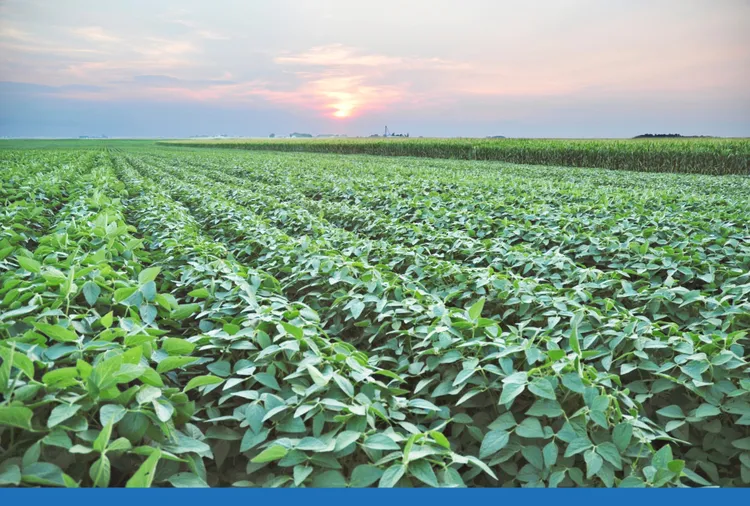
Soybean and grain futures were higher in overnight trading, again following oil higher after President Donald Trump dismissed a peace proposal by Iran.
The proposal from Iran was "totally unacceptable," Trump said on social media. Israeli Prime Minister Benjamin Netanyahu said the war is "not over," stoking concerns that tensions will again escalate.
The U.S. and Israel first launched attacks on Iran at the end of February, causing oil prices to shoot higher. Since then, Trump and others have said several times that peace deals were being considering and that the war was nearing an end, only to be rejected in the final stages.
Trump said this week that the war would be "over quickly."
West Texas Intermediate crude was up 2.7% to $98 a barrel overnight while Brent futures, the global standard, were up 2.6% to $103.95 a barrel. Equities were little changed as Dow and S&P futures were down 0.1% and Nasdaq futures were unchanged.
Iran said it "will never bow" to the U.S. and continues to block the Strait of Hormuz. The U.S. blockade of Iranian ports also persists as the war drags on.
Drought persists in western Corn Belt states as 88% of Nebraska and 50% of South Dakota were suffering from such conditions as of May 5, according to data from the U.S. Drought Monitor. That's little changed week over week but up from 52% and 15%, respectively, three months earlier.
Sixty percent of Kansas, the biggest producer of winter wheat in the U.S., was facing drought, up from 57% a week earlier and only 4.9% three months ago, the monitor said. About 80% of Oklahoma was seeing such conditions, unchanged from the previous week but up from 74% three months ago.
Soybean futures for July delivery jumped 14¼¢ to $12.22¼ a bushel overnight on the Chicago Board of Trade. Soy meal added $4.70 to $324.40 a short ton and soy oil gained 0.69¢ to 75.01¢ a pound.
Corn futures for July delivery were up 3½¢ to $4.74¾ a bushel.
Wheat rose 8¼¢ to $6.27¼ a bushel, and Kansas City futures surged 7¢ to $6.82¾ a bushel.
← Back to Company